
John Granger has developed one of the most sustained and detailed mythic readings of J.K. Rowling’s Cormoran Strike series. Since at least 2021, his central thesis is that the Cupid and Psyche myth functions as a major “mythological key” or template for the entire series—particularly the Strike-Robin romance, character arcs, and underlying soul allegory. He draws on the classical myth (from Apuleius), its Jungian interpretation (especially Erich Neumann’s Amor and Psyche as an allegory of feminine psychological development and individuation), and related literary traditions (Spenser’s Faerie Queene, C.S. Lewis’s discussions of Cupid/Anteros).
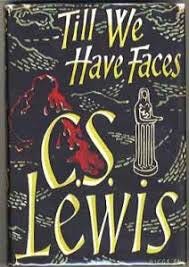
Granger treats the Strike novels as a modern psychomachia. The slow-burn romance between Cormoran Strike and Robin Ellacott is not mere will-they-won’t-they plotting but an allegorical depiction of the soul’s (Psyche’s) journey toward integration of anima (feminine soul) and animus (masculine spirit), culminating in the archetypal human choice between Eros (ephemeral, bodily desire) and Anteros (reciprocal, noetic/soul-level love), arguing that the myth helps readers transcend surface frustration with the partnership’s delays by viewing it as cathartic soul-work. Lewis’s Till We Have Faces—his retelling of Cupid and Psyche from the jealous older sister Orual’s perspective—is referenced as a parallel example of sympathetic treatment of the “evil sisters” motif (e.g., in Troubled Blood) and John suggests familiarity with Lewis’ version makes the Strike templates more credible.
John has urged me to read Lewis’ work, and I had hoped that there might be evidence that this was the primary text that Rowling is using to map the Cupid and Psyche myth onto the series. I don’t think that is true, but there are some (loose and tentative) thematic parallels between Till We Have Faces and the Strike-Ellacott series. I have attempted to chart the parallels through the series, while looking for correspondences, chapter by chapter, in Orual’s tale.
Till We Have Faces: A Myth Retold by C.S. Lewis is a first-person retelling of the Cupid and Psyche myth, narrated by Orual, the eldest daughter of the King of Glome (a fictional barbarian kingdom). Orual frames Part One as a bitter complaint or accusation against the gods, particularly Ungit (a cruel fertility goddess akin to Aphrodite/Venus, represented by a black stone) and her son, the god of the Grey Mountain (the “Shadowbrute” or Brute). She writes in old age as queen, claiming the gods have wronged her, especially by taking her beloved half-sister Istra (whom she calls Psyche). The novel is divided into two parts. Part One (the bulk of the book, spanning 21 chapters) recounts events from Orual’s perspective as she experiences them, portraying her actions as justified love and the gods as unjust. Part Two (a short addendum of about 4 chapter) is written later, as Orual nears death. Here, she gains new insight through dreams, visions, and self-reflection, realizing how her “love” was often possessive, jealous, and devouring—much like Ungit’s. The veil she wears becomes a central symbol: initially to hide her ugliness, later as a barrier to truth and self-knowledge. “Till we have faces” suggests that true self-revelation and honest relationship (with gods or others) require facing reality without masks or illusions.
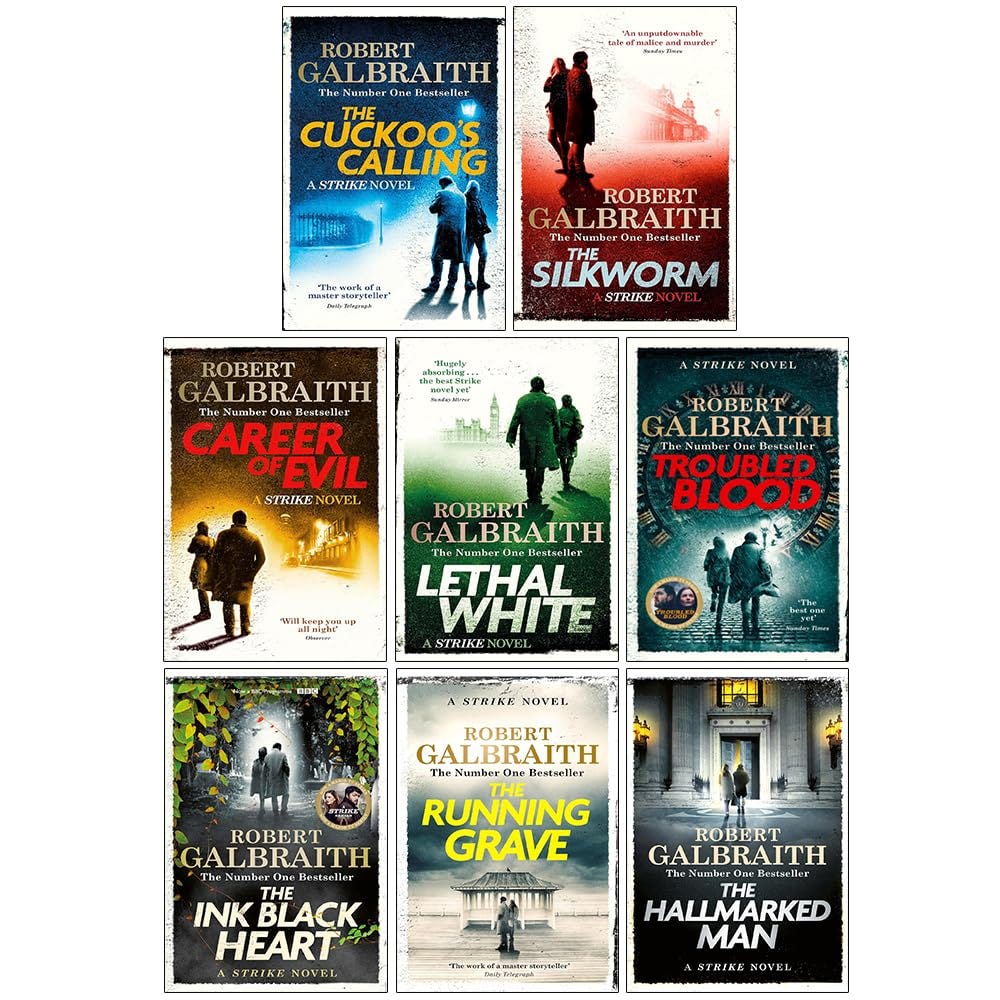
Thematic Parallels Between Till We Have Faces and Cuckoo’s Calling
Chapter I–II: Orual, now an old queen with no direct heir (the crown will pass to her nephew), begins writing her book as a complaint against the gods. She has nothing to lose. She introduces her childhood in Glome: her mother dies, she and her beautiful younger sister Redival have their heads shaved in mourning, and Orual becomes aware of her own plain/ugly appearance. Their father, the brutal King Trom, buys a Greek slave (called "the Fox") as a tutor for potential heirs. Orual bonds deeply with the rational, philosophical Fox. The King remarries a gentle woman who dies in childbirth after about a year, giving birth to Istra (Psyche), an extraordinarily beautiful baby. Orual immediately loves and mothers Psyche like her own child, finding joy and purpose in her. Redival grows jealous and resentful. The Fox continues educating the girls in Greek wisdom (philosophy, poetry, scepticism toward the local gods).
Possessive or false love — The Cuckoo’s Calling explores how people “devour” or control others under the guise of love/family (mirroring Orual’s later self-revelation in Till We Have Faces that her love for Psyche was often jealous and consuming).
Beauty and its dangers — Lula’s supermodel status brings fame, envy, and exploitation, much as Psyche’s beauty provokes divine jealousy in the myth (and in Lewis’s retelling).
Complaint/accusation and hidden truths — Strike’s investigation uncovers layers of deception, family secrets, and self-deception, akin to Orual’s “complaint” against the gods that later reveals her own distortions.
Rational vs. deeper forces — Strike’s gritty, skeptical detective work contrasts with the mythic undertones (celebrity as a false “goddess,” media as a devouring force)
Thematic Parallels Between Till We Have Faces and Silkworm
Chapter III–IV: As the girls grow, Psyche's beauty draws admiration from the people of Glome, who begin treating her almost as a goddess. This provokes jealousy from Ungit and leads to plagues, famine, and unrest. Redival becomes more rebellious and flirtatious. Orual feels increasing responsibility for her sisters while resenting the King's neglect and cruelty. The Fox offers rational explanations for events, contrasting with the Priest of Ungit's demands for sacrifice and ritual.
Jealousy and sibling/family-like rivalries: Redival’s resentment of Psyche in Lewis’ chapters mirrors the poisonous envy and backstabbing among the literary figures surrounding Quine. Everyone feels “devoured” or exposed by his manuscript, much as Orual’s possessive love and Redival’s bitterness create rifts around the idealised Psyche. Quine’s own family dynamics (neglectful husband/father, long-suffering wife, innocent but odd daughter) echo dysfunctional household tensions in Glome.
Beauty and its shadow: Psyche’s beauty draws worship but also provokes divine and human jealousy (foreshadowing her “sacrifice”). In The Silkworm, beauty is inverted or grotesque—characters are often physically unattractive or morally “ugly,” and the manuscript strips away facades. The silkworm/moth imagery (Bombyx Mori as a spinner of stories that transforms or destroys) can be linked to Psyche (whose name means “soul” and is also the Greek word for butterfly), symbolizing transformation, innocence, or entrapment.
Possessive or devouring “love”: Orual’s enveloping attachment to Psyche (which later reveals itself as selfish) parallels how characters in The Silkworm use relationships, careers, or the manuscript for control and revenge. The murder is ritualistic and vengeful, echoing the mythic “devouring” forces (like Ungit).
Rational vs. irrational forces: The Fox’s philosophy vs. Ungit’s cult in Lewis parallels Strike’s logical detective work cutting through the literary world’s chaotic egos, superstitions, and hidden rituals (the manuscript has allegorical, almost mythic elements).
Thematic Parallels Between Till We Have Faces and Career of Evil
Chapter V–VI: Tensions rise as the kingdom suffers. Psyche helps the sick during a fever but faces accusations of causing harm or setting herself up as a rival to Ungit. The people turn against the royal family. Orual confronts her own ugliness and feelings of rejection, while deepening her protective bond with Psyche. The King grows more tyrannical.
Devouring/ravenous forces and sacrifice: Ungit’s jealous, consuming demands and the call for a beautiful innocent’s “marriage/sacrifice” loosely echo the novel’s themes of misogynistic violence and women as targets of obsessive, devouring evil. The killer’s actions (dismemberment, targeting vulnerable women) can be read as a twisted, modern “devouring” parallel to mythic sacrificial demands.
Beauty, ugliness, and blame: Psyche’s extraordinary beauty provokes societal unrest and divine jealousy in Lewis. In Career of Evil, violence against women often ties to distorted perceptions of desirability, control, and revenge. Orual’s ugliness and self-doubt contrast with Psyche, mirroring how the novel explores physical/psychological “ugliness” in abusers and the vulnerability of victims.
Protectiveness and helplessness: Orual’s desperate attempts to shield Psyche parallel Robin’s (and Strike’s) efforts to protect each other amid stalking and threats. The King’s mirror scene (forcing Orual to confront her “unacceptable” self) has faint echoes in the characters’ confrontations with personal traumas and flaws.
Reason vs. irrational evil: The Fox’s rational debates against the Priest’s mysterious religion parallel Strike’s logical, evidence-based investigation cutting through the chaotic, almost ritualistic evil of the suspects. However, the “divine” forces in Lewis are mythic and ultimately transformative. In Career of Evil, evil is purely human, banal, and psychological.
Thematic Parallels Between Till We Have Faces and Lethal White
Chapter VII–IX: The Priest of Ungit declares that the gods demand Psyche as a human sacrifice to the god of the Grey Mountain (the Brute) to end the plagues. Orual is devastated. In the tower where Psyche is held before the sacrifice, the sisters share an emotional night. Psyche remains remarkably calm and faithful, even forgiving Redival and viewing her fate as a possible divine marriage rather than mere death. Orual despairs and plans secretly to intervene.
The “Psyche” figure’s acceptance or exposure: Psyche’s calm faith and view of her fate as possible divine marriage loosely parallels vulnerable or idealised figures in Lethal White (e.g., Robin navigating personal “trials” like her marriage and undercover risks, or even Billy as a damaged witness to hidden violence). However, the novel’s crises are grounded in human corruption and politics, not ritual or transcendent longing.
Possessive bonds and familial strain: Orual’s jealous, one-sided grief and inability to let Psyche go echo dysfunctional relationships in the book—Robin’s controlling dynamic with Matthew, Chiswell’s toxic family (including children and step-relations with secrets and resentments), and possessive undercurrents in blackmail/revenge motives. Sibling-like tensions (the Knight brothers) faintly recall Glome’s sisterly rifts.
Faith/doubt and reason vs. mystery: Psyche’s shift toward trusting the gods (against the Fox’s philosophy) has distant echoes in the novel’s contrast between surface rational/political explanations and deeper psychological or hidden crimes. Strike’s sceptical detective work cuts through deceptions, much like the Fox’s rationalism, but with small “cracks” appearing in certainties (as in Orual/Fox discussions).
Sacrifice and loss: The ritual exposure of the beautiful innocent has very loose resonance with themes of past “sacrifices” (hidden crimes, ruined lives) or personal costs in the investigation. In broader series readings, Lethal White marks a turning point where Robin (Psyche) and Strike (Eros) move toward greater integration after earlier separations/threats, with Charlotte as a lingering Venus-like jealous force. The book ends with strengthened partnership, contrasting Orual’s despairing separation.
Thematic Parallels Between Till We Have Faces and Troubled Blood
Chapter X–XII: Orual, with help from the Fox and Captain Bardia (a loyal soldier), travels secretly to the mountain after the sacrifice. She expects to find Psyche's remains but discovers her alive and well in a beautiful valley. Psyche claims she has been married to a divine husband (the god) and lives in a magnificent palace that Orual cannot see—only a humble hut and rags appear to her. Orual is torn between joy at Psyche's survival and deep suspicion that it is a delusion or trick by a mortal outlaw. Bardia warns of divine dangers.
The invisible or hidden reality: Psyche’s divine marriage and palace (visible only to her, appearing ordinary or illusory to sceptics) loosely resonates with the novel’s cold-case challenges — piecing together what really happened to Margot through unreliable testimony, occult symbols, and hidden pasts. Both involve the difficulty of perceiving deeper truths beyond surface appearances or rational scepticism.
Possessive doubt and intervention: Orual’s jealous drive to “rescue” Psyche and demand proof parallels themes of control, misunderstanding, and emotional possessiveness in the Strike-Robin-Charlotte triangle, as well as the investigators’ urge to force hidden truths into the open.
Rational scepticism vs. mysterious forces: The Fox’s (and Orual’s) empirical dismissal of the unseen palace echoes Strike’s logical detective work clashing with irrational elements (tarot, astrology, mental health issues in witnesses). Small “cracks” appear in certainties, much as rationalism shows limits in Lewis.
Thematic Parallels Between Till We Have Faces and Ink Black Heart
Chapter XIII-XV: Orual returns to the palace and confides in the Fox, who rationalizes the encounter as Psyche being deceived by a human. They plot to "rescue" her. Orual struggles with jealousy and possessiveness, unable to accept Psyche's happiness apart from her. She makes another journey to the mountain, confronting Psyche and demanding proof of the palace.
The invisible or hidden “palace/union”: Psyche’s divine marriage (visible only to her, appearing poor or illusory to sceptics) loosely resonates with hidden identities, secret online worlds, and the blurred reality/fiction in The Ink Black Heart. Demanding proof or exposure (as Orual does) mirrors the novel’s doxxing, conspiracy-driven need to unmask and control narratives—often with destructive, possessive results.
Possessive jealousy and intervention: Orual’s controlling doubt and drive to “rescue” or test Psyche’s happiness parallel toxic fandom dynamics, jealous rivalries among creators/fans, and possessive undercurrents in relationships (including Strike’s relationship or the Strike-Robin tension amid external pressures).
Rational scepticism vs. mysterious reality: The Fox’s (and Orual’s) rational dismissal of the unseen palace echoes investigative scepticism clashing with the irrational, cultish online world—where “truth” is elusive, and demanding visibility can wound or destroy.
Thematic Parallels Between Till We Have Faces and Running Grave
Chapter XVI-XVIII: Orual pressures Psyche to test her husband by looking at him with a lamp (echoing the classic myth), threatening suicide or violence if she refuses. After the test, a divine voice condemns Orual, declaring she too will be "Psyche" (sharing her sister's fate in some way). Orual flees in terror and grief as a storm rises. She returns to Glome veiled and begins wearing the veil permanently. The Fox is horrified by her methods.
The veil and hidden self: Orual’s permanent veiling as shame, protection, and barrier to truth loosely parallels the cult’s enforced facades, loss of personal identity, and Robin’s undercover “mask” (while she confronts her own vulnerabilities and feelings for Strike). Both explore how hiding (or being hidden) distorts relationships and self-perception.
Aftermath of intervention and possessiveness: Orual’s shame/guilt after coercing the lamp test and “wounding” the divine union mirrors themes of destructive “love” or control in the novel—cult leaders’ manipulation of followers, relational jealousy (Strike over Ryan Murphy), and the emotional cost of forcing truths or separations.
Power, duty, and isolation: Orual’s rise to veiled queenship amid political manoeuvring echoes Robin’s (and Strike’s) navigation of power structures, alliances, and isolation during the investigation. The shift from mythic crisis to earthly authority has distant parallels in moving from cult “divine” claims to real-world consequences and partnership reckonings.
Thematic Parallels Between Till We Have Faces and Hallmarked Man
Chapter XIX–XXI: Orual assumes more responsibility in the kingdom as the King weakens. She trains in combat (veiled), faces political challenges (including a duel or combat with a rival prince’s champion to settle a dispute), and becomes queen after her father’s death. She rules wisely but sternly, relying on Bardia and the Fox, while haunted by the loss of Psyche. Her reign brings stability, but she remains bitter toward the gods. In her later years, she hears rumours of Psyche being worshipped and travels, encountering a shrine to “the goddess Psyche.” Part One ends with Orual declaring “No answer” from the gods to her complaint.
Veiled/ hidden strength and queenship: Orual’s veiled, competent rule (gaining power through masked identity and resolve) loosely parallels Robin’s (and Strike’s) navigation of secretive worlds (Freemasonry, intelligence, hidden identities) and their professional “rule” over complex cases. Both involve wielding authority amid personal veils or emotional barriers.
Earthly success amid unresolved grievance: Orual’s stable but haunted queenship mirrors the detectives’ professional competence and case resolution against a backdrop of personal emotional turmoil, unspoken desires, and lingering “complaints” (e.g., relational obstacles or past wounds like Charlotte’s influence).
Combat/duel and political manoeuvring: The decisive combat or proxy resolution in Glome has distant echoes in the novel’s confrontations with secretive/powerful groups (Masonic elements, trafficking networks) and competitive dynamics (including romantic rivalry or professional challenges).
The complaint and self-justification: Orual’s accusatory framing of her life parallels themes of hidden truths, self-deception, and the challenge of honest confrontation in the book—whether in solving the mystery or in the protagonists’ interpersonal reckonings. In broader series readings, this sets up later self-revelation (Part Two of Lewis), akin to ongoing self-realisation for Robin/Psyche.
What Remains for the Rest of the Series?
If this thematic thesis is correct, then Sleep Tight Evangeline and Strike 10 will thematically mirror Part 2 of Till We Have Faces:
Part 2, Chapter I: Orual reflects that the act of writing revealed distortions in her account. A visit from Tarin (a eunuch ambassador who once loved Redival) challenges her view of her sister’s loneliness and abandonment. Orual dreams of endlessly sorting mixed seeds (a task symbolising the need to separate truth from self-deception), facing punishment for any error. She begins to see how her “love” for Psyche, the Fox, and Bardia was often selfish and consuming.
Subsequent chapters (II-IV): Through visions and a symbolic trial before the gods, Orual confronts the true nature of her actions. She sees herself as having “devoured” those she loved, mirroring Ungit’s cruel, jealous nature. In one powerful scene, she reads her complaint aloud but hears a different, truthful version spoken in her own voice—revealing hidden motives of jealousy and control. Psyche appears, and Orual gains understanding of divine love versus human possessiveness. The gods do not answer with words but with transformation: Orual achieves self-knowledge (”till we have faces”) and reconciliation. The novel ends on a note of mystery, beauty, and acceptance rather than accusation.
Is Till We Have Faces the The Thematic Template for the Strike-Ellacott Series?
As attractive as my starting thesis was to me, I think a tidy series parallel is unlikely on thematic lines alone. Would I have seen the parallels if working from some independent list major themes for the two book? Probably not, unless the list was so long as to make duplication inevitable. J. K. Rowling has however announced the Cupid-Psyche link, and Till We Have Faces is the major modern retelling of this myth. The book explores themes of love (possessive vs. selfless), faith vs. rationalism, self-deception, beauty and ugliness (inner and outer), and the nature of the divine. Lewis uses the myth to probe how humans often blame the gods while failing to see their own flaws. Orual’s journey from bitterness to insight makes it one of Lewis’s most profound works.
With this in mind, Till We Have Faces deserves a second or even third look. Look out for John Granger’s take on C. S. Lewis’ tome shortly, in Part 2.
Had a head smack moment with “Orual dreams of endlessly sorting mixed seeds (a task symbolising the need to separate truth from self-deception), facing punishment for any error.” What do Psyche’s other tasks mean? I feel so thick when I read something like this! For Psyche, ants help her with sorting. Who would Robin’s ants be? I haven’t read any CS Lewis. I’m going to have to remedy that! Robin seems to constantly fear making the wrong decision…at least in her personal life. Interesting article. Thank you!
Fun! I guess one surface issue I can see is that if we interpret Robin as the Psyche of the myth most of her role in Till We Have Faces is somewhat off stage because Orual is the older sister. We’ve had a lot of ideas about Psyche’s sisters I think suggestions have included Lucy, Linda, Ilsa etc. Lucy maybe fits most closely with Orual with her focus on duty and doing the right thing and her resentment of Strike when he’s not doing what she thinks he should.
Rachelle Onifade has a somewhat matching physical description.
There’s also the religion/goddess with the smell of holiness being related to the smell of blood and sacrifice - an Silkworm has the “Temple of Meat” description and Leonora the former butcher as the centre of the story.
But all those are more physical details and I love what you have done with highlighting the mythical/rational and envy/love themes.
Love your work and so excited to see what’s coming next from John!